
Project № 04
L'Oréal Groupe
Designing — and winning — the RFP for L'Oréal's omnichannel AI beauty chatbot.
This case study is gated. Enter the access key to view L'Oréal Groupe in full. Access persists for the rest of this session.
Designing — and winning — the RFP for L'Oréal's omnichannel AI beauty chatbot.
L'Oréal was running a Request for Proposal for an AI-powered chatbot, a proof of concept designed to sit at the intersection of three personas: the customer looking for guidance, the beauty advisor serving them, and the AI assistant bridging both in real time. The brief asked for a compelling demo of how an elevated, trusted conversation could reshape L'Oréal's omnichannel experience.
I led the design strategy and execution as Lead Product Designer. Workshops with the internal team to align on the narrative, storyboarding the flow, and a polished end-to-end demo prototype that turned the abstract RFP requirements into something the L'Oréal panel could feel.
RFPs are a specific design brief: you are not shipping the product, you are selling the vision of the product — convincingly enough that a panel of senior stakeholders chooses your team over competitors. Words and slides are table stakes. The thing that tips the vote is a prototype that behaves like the real thing long enough to trigger belief.
For L'Oréal, that meant three linked questions: what does the customer actually want from an AI beauty advisor, how does the human advisor stay in the loop without becoming a bottleneck, and how does the chatbot make the handover feel like craft instead of fallback.
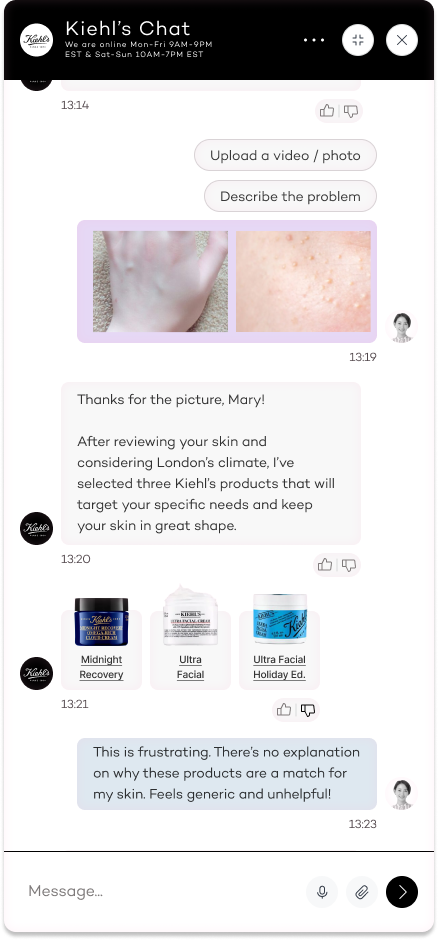
The second challenge was time. RFPs are won in weeks, not quarters, and the whole end-to-end narrative needed to land in one cohesive prototype — nine screens, three personas, one conversation that shows L'Oréal their omnichannel future.
The prototype had to be presentation-fidelity: animations that sell, transitions that explain, a motion rhythm that makes a stakeholder forget they are looking at a figma file.
Stakeholder workshops to agree what the POC had to prove. Not every RFP requirement needed to be in the demo — the design question was which moments do we script, and which do we trust the panel to imagine. Outcomes captured in a structured brief that became the spec.
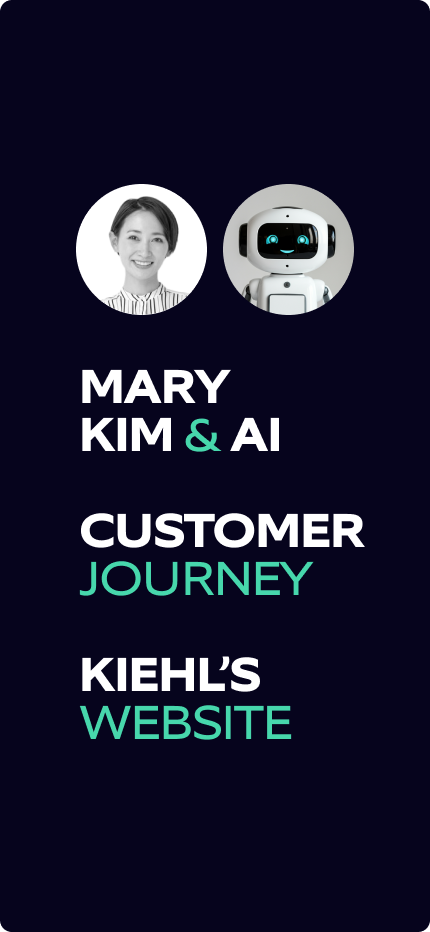
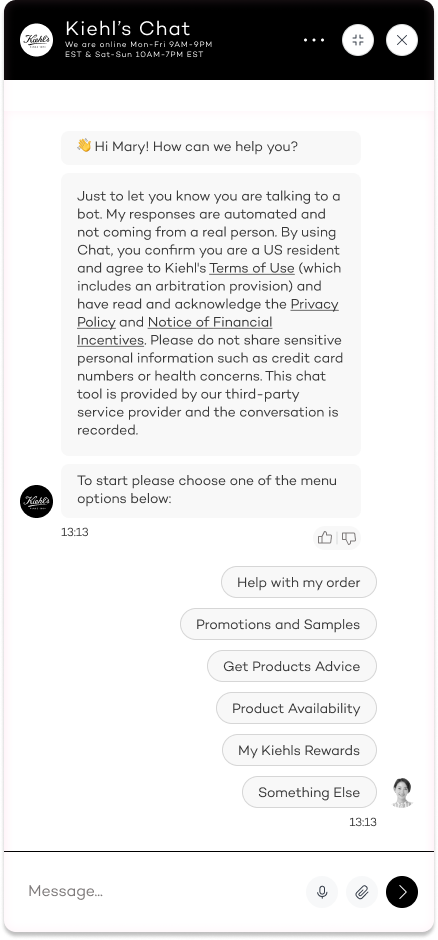
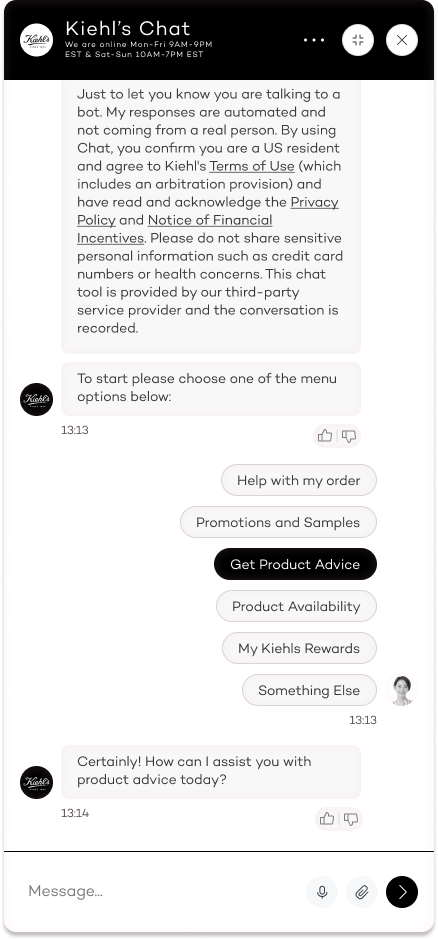
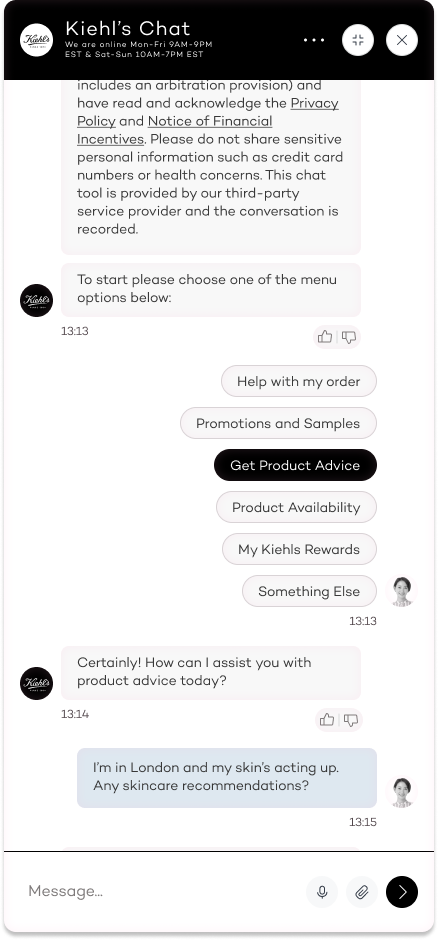
Authored the L'Oréal AI Chatbot narrative flow document — every screen, every interaction, every message bubble — as a linear story the panel would live through. This is the spine of a good demo: a clear journey, zero dead ends, every handoff visible.
Nine screens, three personas (customer, beauty advisor, AI), designed against L'Oréal's brand language. Every screen earns its place in the narrative — no filler, no "here's a settings page". Collaborated with Tomás Santos on motion design to turn static frames into a demo that breathes.
Presented the end-to-end demo as part of the full RFP response. We won. The prototype's ability to show rather than tell was, by the bid team's account, the deciding factor.
In an RFP, the prototype is not a deliverable. It is the argument. — Engagement reflection
All nine screens from the end-to-end demo prototype, presented in narrative order.
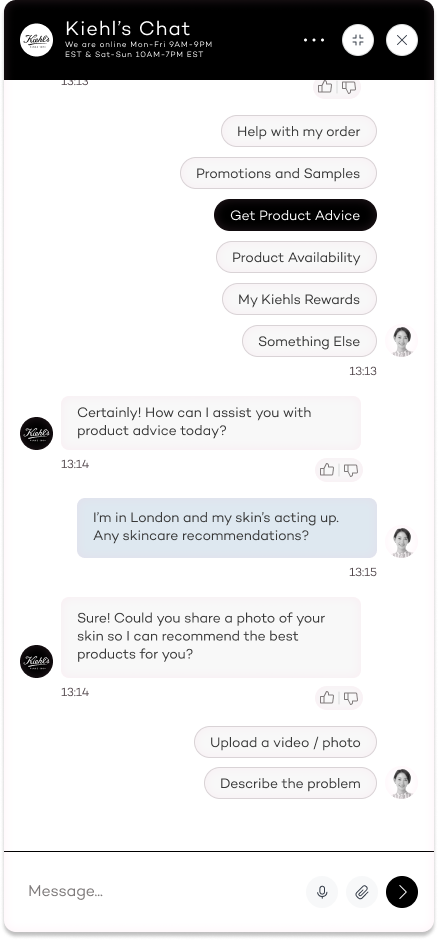
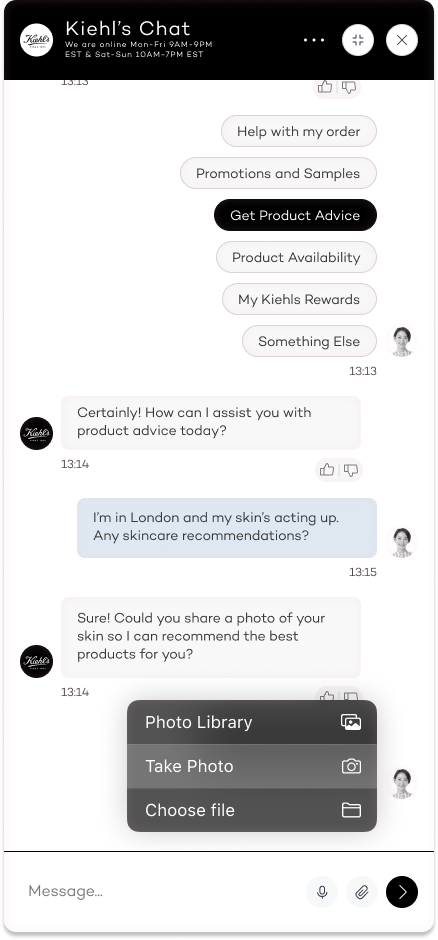
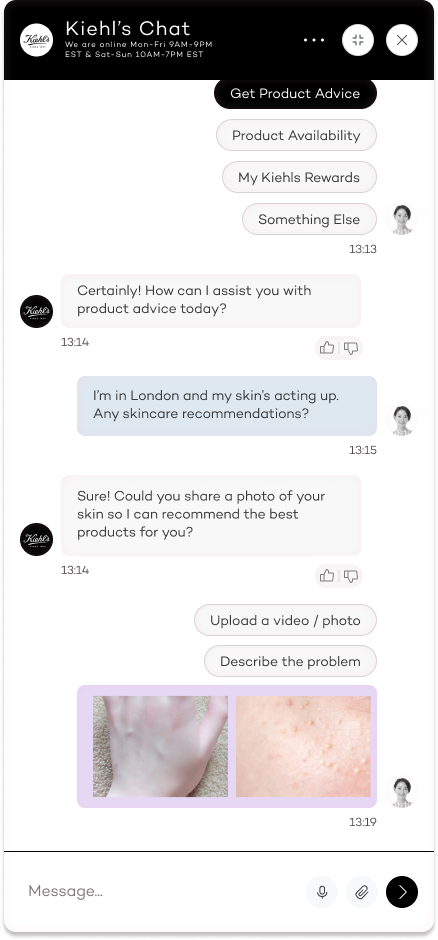
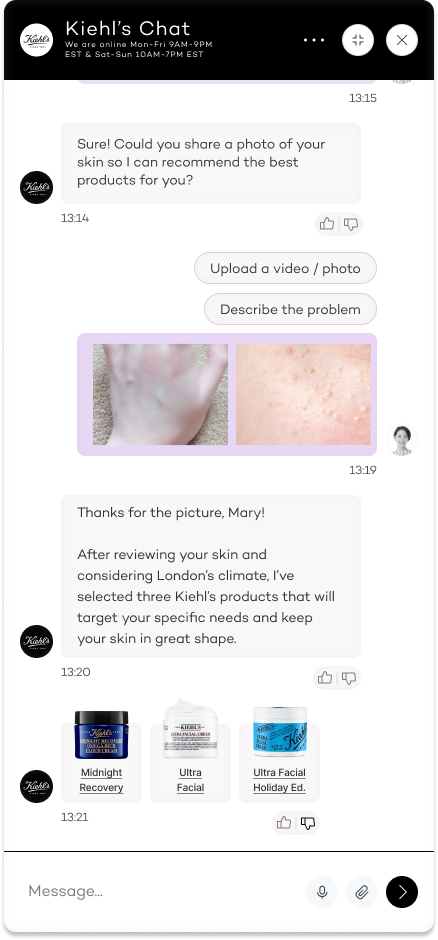
The clearest outcome a design engagement can have.
The lesson I'd keep for every future RFP: stop treating the prototype as "supporting material" and start treating it as the single thing that decides the vote. Words and slides make the panel understand. The prototype makes the panel believe. They are not the same — and only one of them wins.
Huge credit to Tomás Santos, whose motion design work on the demo prototype turned the nine screens into something that felt alive.