
Project № 11
Delfi FDPlan
Delfi Field Development Plan — the UX transformation of one of Schlumberger's flagship technical platforms.
This case study is gated. Enter the access key to view Schlumberger in full. Access persists for the rest of this session.
Delfi Field Development Plan — the UX transformation of one of Schlumberger's flagship technical platforms.
Delfi Field Development Plan is one of Schlumberger's flagship E&P (Exploration & Production) platforms — the tool reservoir engineers and field development teams use to plan where and how to drill. The users are domain specialists with decades of geological experience. The data is three-dimensional, the decisions are measured in hundreds of millions of dollars, and the existing interface was built for capability, not usability.
I joined as Senior UX & UI Designer to help transform FDPlan's experience — from deep discovery through persona work, customer journey mapping, interactive prototypes, and the evolution of Schlumberger's Design Language System (DLS).
The hardest thing about redesigning technical software is not the screens — it is the team. Reservoir engineers know more about their own domain than you ever will. They have strong opinions about their tools. They have seen consultants come in, simplify the interface, and strip out the capabilities they depend on. They are, rightly, suspicious.
The design work had to earn their trust first. Only then could it propose changes, and only then would the changes stick.
The second challenge was team distribution. Houston, Minsk and Abingdon — three engineering and design teams, three timezones, three working cultures. The Design Language System and the Storybook-driven pattern library were the only surfaces where all three could agree on what "FDPlan" actually looked like.
Workshops, stakeholder interviews, and persona development with real reservoir engineers. Customer journey mapping to surface the friction between how the tool was built and how the domain experts actually worked.
Full design spectrum — low-fidelity wireframes through to high-fidelity prototypes — always in conversation with the engineers who would have to live with the output. Iterative, usability-tested, aligned with both user and business needs.
Evolved Schlumberger's Design Language System, and championed a Storybook-driven pattern library that let designers and developers in Houston, Minsk and Abingdon ship the same components.
Led show-and-tell sessions to keep stakeholders aligned and transparent about progress, reinforcing the trust the discovery phase had earned.
Designers and developers on shared workflows, across three countries — that is what a pattern library actually buys you. — Schlumberger DLS engagement reflection
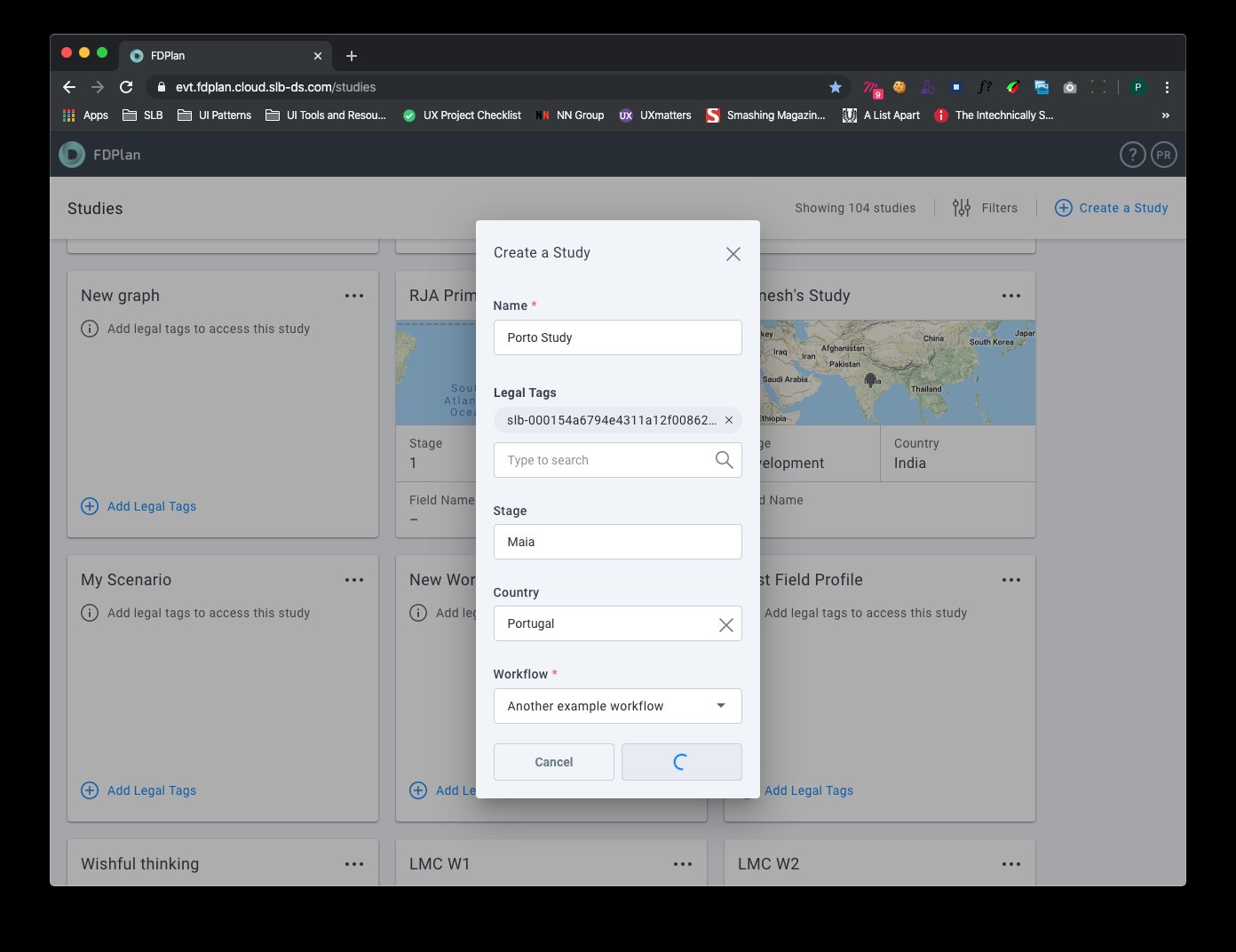
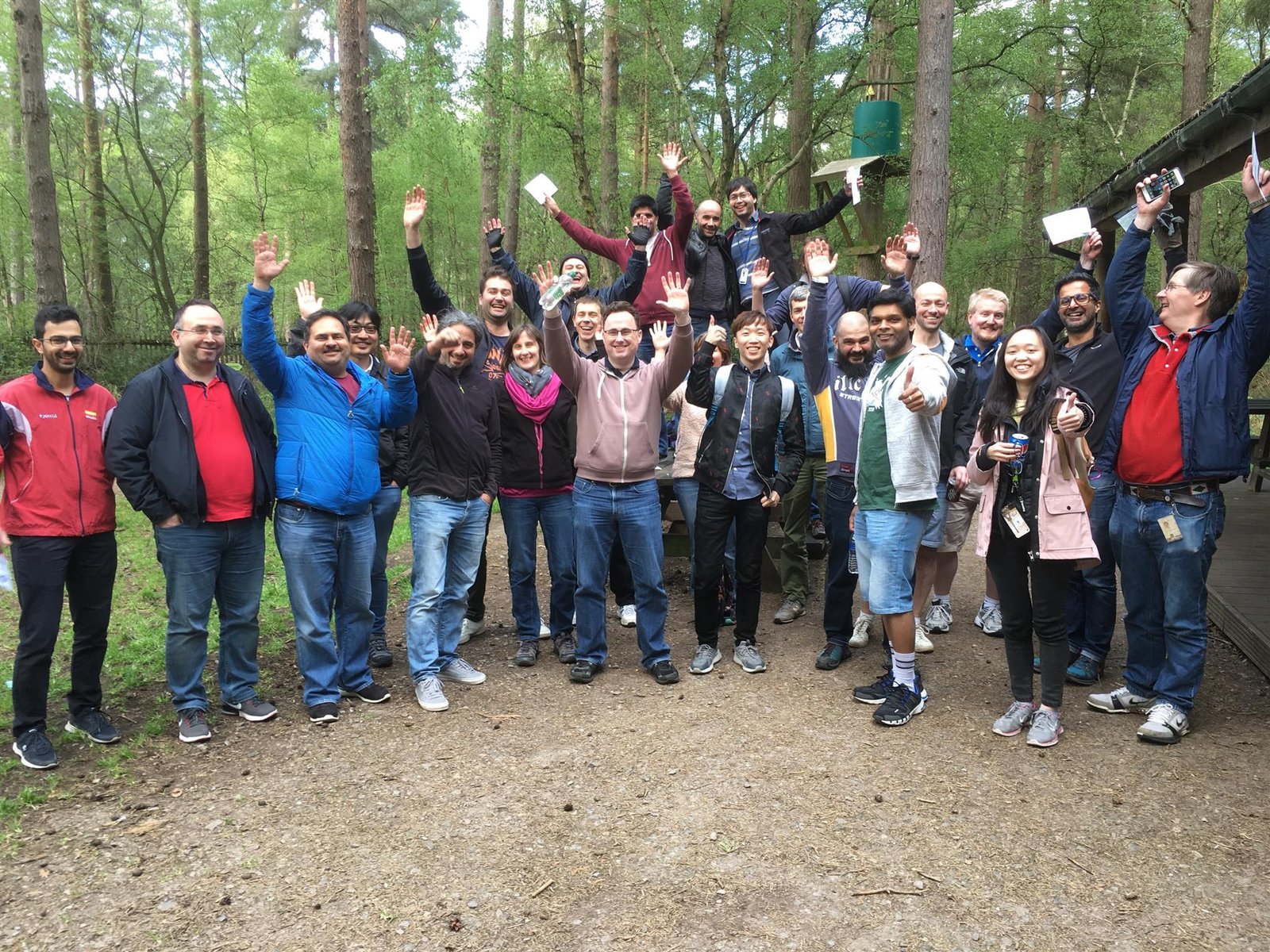
The FDPlan UI as it was in December 2018 against the redesigned version shipped in October 2019. Plus a photo of the Schlumberger design team.

FDPlan is a commercial product in a regulated industry — specific performance metrics are not publicly disclosed.
Domain experts will tell you the moment you stop listening. FDPlan's engineers had been burned by previous redesigns that stripped out the capabilities they needed. The engagement worked because we spent the first phase earning the right to propose changes — sitting with the workflows, asking what the tool was supposed to do, not what we thought it should do. Read 5 referrals from this role on LinkedIn →